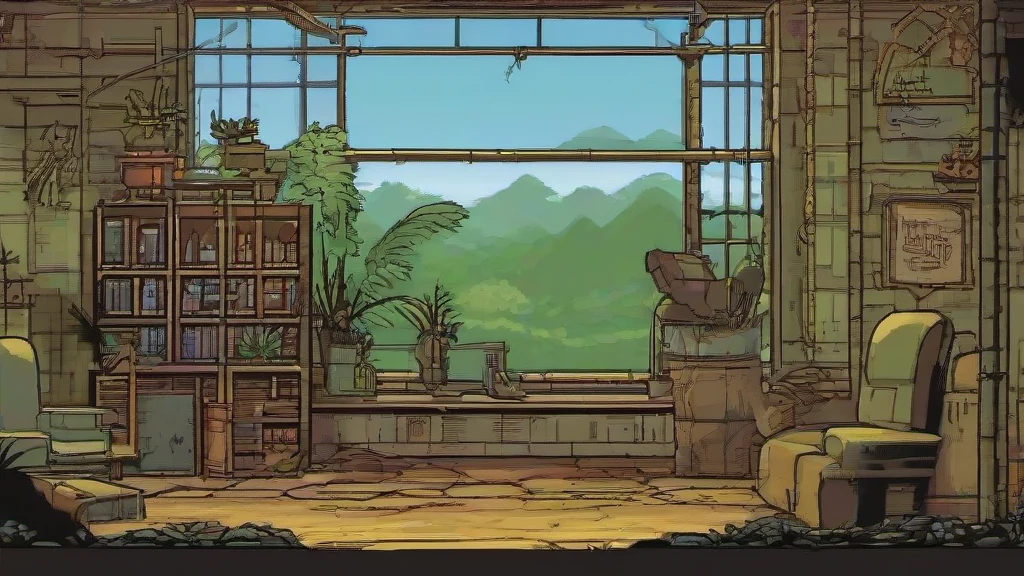
In 2000, the Tomb Raider franchise expanded beyond PlayStation consoles to the Game Boy Color with a title that originated from an independent project. Initially conceived as Salvage, a cartoonish space adventure, the game was developed by two creators seeking to work on a new console with a smaller scope than their previous PlayStation projects. The team consisted of artist Matt Charlesworth, who had worked on Tomb Raider III, and programmer Sean Dunlevy, who had recently finished Fighting Force 64.
The duo began prototyping Salvage, drawing inspiration from 2D adventures like Flashback and Another World that combined exploration with action. Upon realizing the prototype's structure could effectively support a portable Tomb Raider experience, they pitched the concept to Core Design head Jeremy Smith and received approval. This transition made design sense, as a two-dimensional version allowed the game to utilize mechanics reminiscent of Prince of Persia without appearing out of place compared to the franchise's 3D evolution.
Development presented unique challenges regarding pixel art, a skill that had largely disappeared from major home consoles at the time. Although Charlesworth initially planned to handle all graphics alone, the workload proved too demanding. The team expanded to include graduates Fergus Duggan and Paschal McGuire from Ireland's Ballyfermot Animation College. Duggan took charge of backgrounds while Charlesworth focused on Lara Croft, enemies, and animations. Additionally, Lee Pullen, known for his work on Chuck Rock, advised the team on suggesting movement with minimal pixels to accommodate the handheld's low-resolution screen.
After approximately one year of development, THQ published the game. Charlesworth later shared an anecdote regarding its critical reception, noting that they received at least one perfect 10/10 score from a contemporary Game Boy magazine. He revealed that editors were forced to retroactively correct the rating in subsequent issues because the game's initial score placed it higher than iconic Nintendo titles like Pokémon and Zelda. This project, born from experimentation and entrusted to a small team with full creative control, ultimately achieved ratings that surpassed flagship Nintendo franchises.
Sources: Everyeye.it.